22 Christmas Chalkboard Ideas for Countdowns, Menus and Merry Messages
# 22 Christmas Chalkboard Ideas for Countdowns, Menus and Merry Messages
A Christmas chalkboard is the hardest-working decoration in the house. Unlike a wreath or a garland, it does something: it counts down the days, announces tonight's dinner menu, lists the gifts still to buy, and greets guests at the door. It is part decor, part planner, part family noticeboard — and it changes as often as you do, with nothing more than a damp cloth and a fresh piece of chalk.
Looking for more inspiration? Our Nest Decorz homepage gathers the latest home decor ideas, seasonal decorating guides and room-by-room styling tips in one place — start there and explore.
Quick Answers
– Best all-round board: a 24 x 36 inch framed chalkboard — big enough for a menu or countdown, small enough for a kitchen wall or entryway table. – Chalk or chalk marker? Real chalk for boards you rewrite daily (countdowns, kids' boards); chalk markers for boards that must stay perfect all month (menus, welcome signs). – Lettering shortcut: sketch in pencil-thin chalk first, then trace in bold strokes — and use a ruler for your baseline so lines stay level. – Where they work hardest: kitchen (menus, baking schedules), entryway (welcome boards), dining room (place settings), and kids' rooms (drawing and countdown boards).
1. How Do You Make an Advent Countdown Chalkboard?

An advent countdown chalkboard turns the wait for Christmas into a daily ritual: number the days from 1 to 25 in a grid, cross off or erase one each morning, and let the shrinking count build the excitement. Draw a simple 5 x 5 grid on a 24 x 36 inch board, letter the numbers in bold chalk marker so they survive a month of handling, and leave a small space under each number for a one-word activity like "bake," "sing," or "wrap."
Make the grid the permanent part and the activities the changeable part — write activities in soft chalk so you can swap them without redrawing the whole board. Hang it at children's eye level in the living room or kitchen, where the morning cross-off becomes part of breakfast.
2. What Should Go on a Christmas Dinner Menu Board?
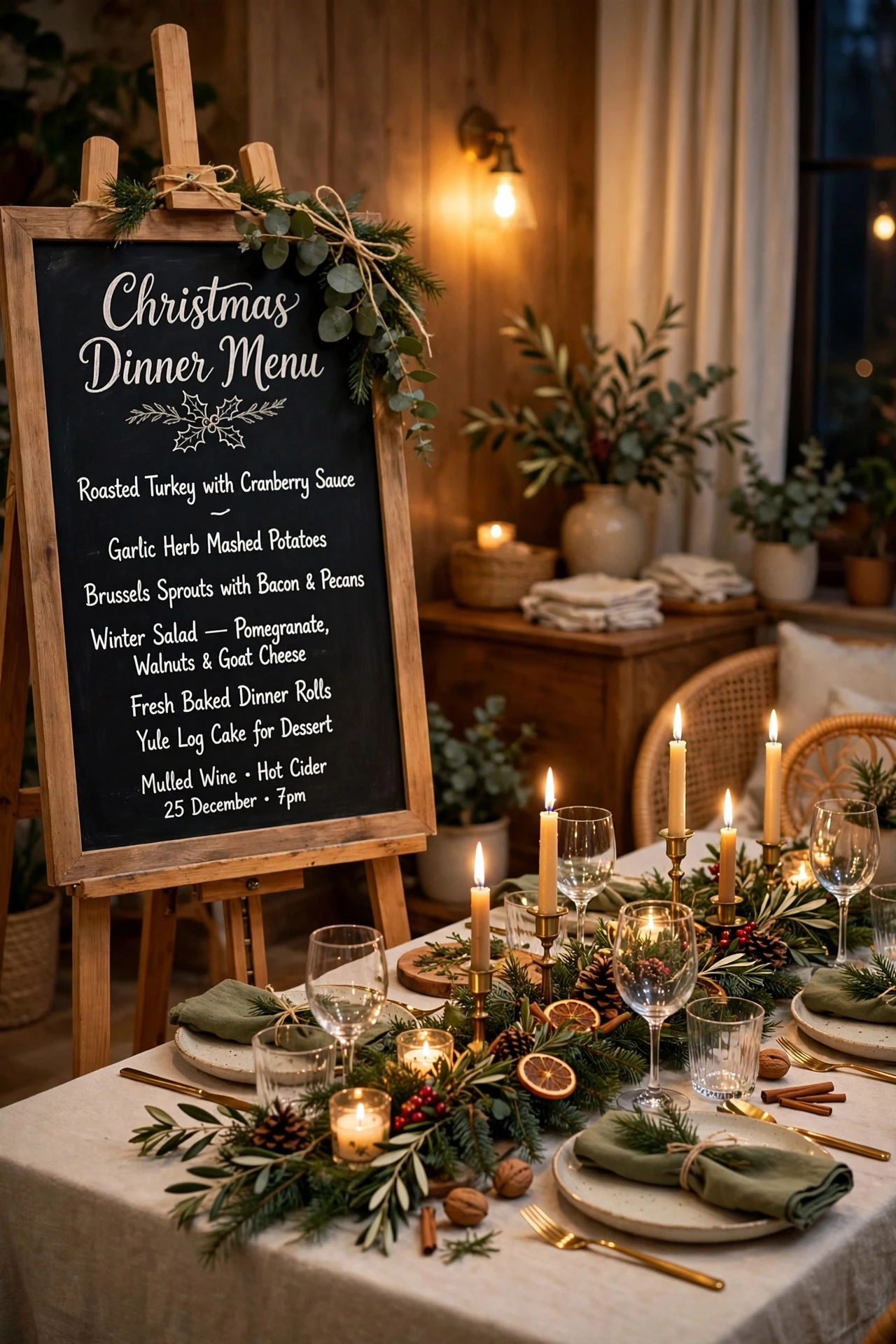
A Christmas dinner menu board announces the feast before anyone sits down: list each course in order — starter, main, sides, dessert, drinks — in large, readable lettering, with the date and the cook's name at the top. Use a 24 x 36 inch board on an easel near the dining room entrance, lettered in chalk marker so it stays crisp through the whole evening, and add a small sprig of eucalyptus or holly tucked into the frame for a festive finish.
Add dietary notes in smaller script beneath a dish — "vegan," "nut-free" — so guests with allergies feel looked after without an awkward announcement. Pair it with your Christmas table decor ideas when you set the table, so the board and the tablescape tell the same story.
3. How Do You Letter a Hot Cocoa Bar Sign?
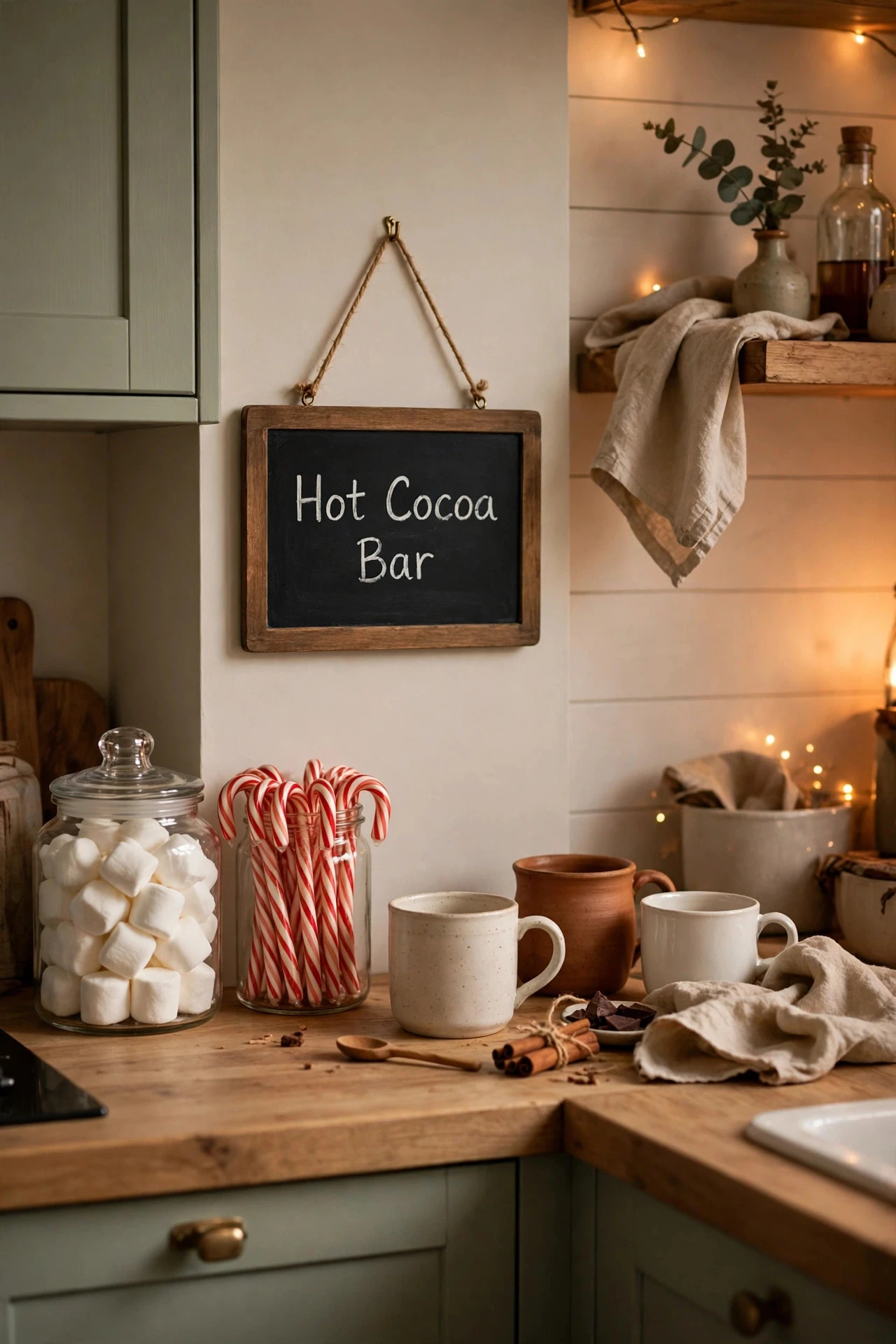
A hot cocoa bar sign should read like a café menu: a big header ("Hot Cocoa Bar"), then a short list of toppings and flavours — marshmallows, candy canes, whipped cream, cinnamon, caramel drizzle — each on its own line with a small doodle beside it. A 16 x 20 inch board propped on the kitchen counter or hung above the cocoa station is the right scale; anything larger crowds the mugs and jars.
Letter the header in a bold script style and the toppings in neat print so the board is readable from across the kitchen. Chalk markers work best here because steam and sticky fingers smudge soft chalk fast. For the full station setup, borrow the layout thinking from our kitchen Christmas decor ideas so the board, mugs, and jars share one warm, working corner.
4. Can a Chalkboard Keep Track of Your Christmas Gift List?
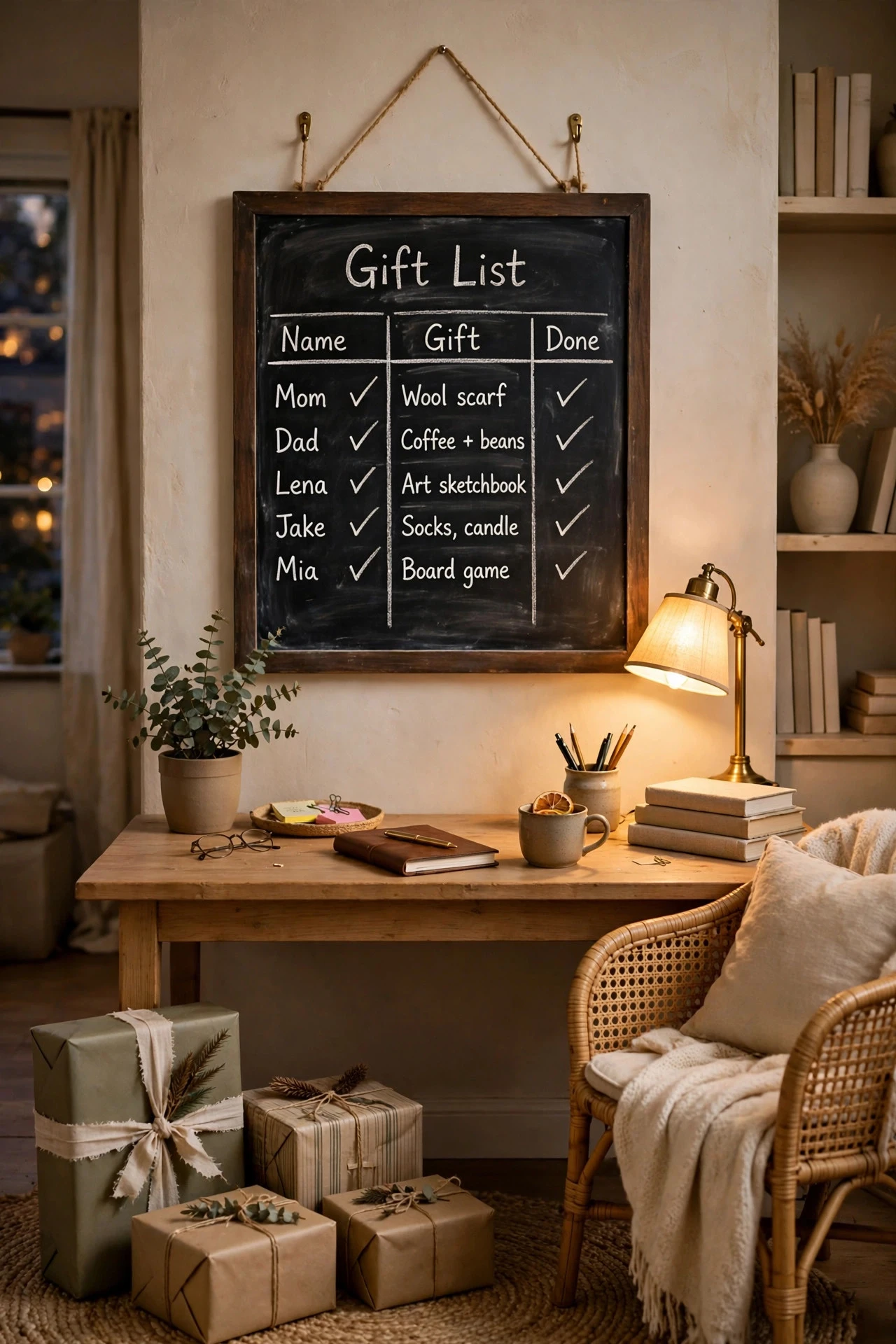
A gift-list chalkboard is the antidote to the December panic of buying the same present twice: divide the board into columns — person, gift idea, bought, wrapped — and update it as you shop. A 24 x 36 inch board in a home office, bedroom, or inside a pantry door keeps the list private from curious family members while staying visible enough that you actually use it. Use soft chalk for the list itself so entries change easily, and chalk marker for the column headers.
Check off "bought" with a tick and "wrapped" with a star, so a glance tells you what is left. When the list is done, wipe it clean and reuse the board for thank-you notes in January. Avoid cramming more than eight names on one board; a second small board for stocking fillers keeps the main list readable.
5. How Do You Display Carol Lyrics on a Chalkboard?
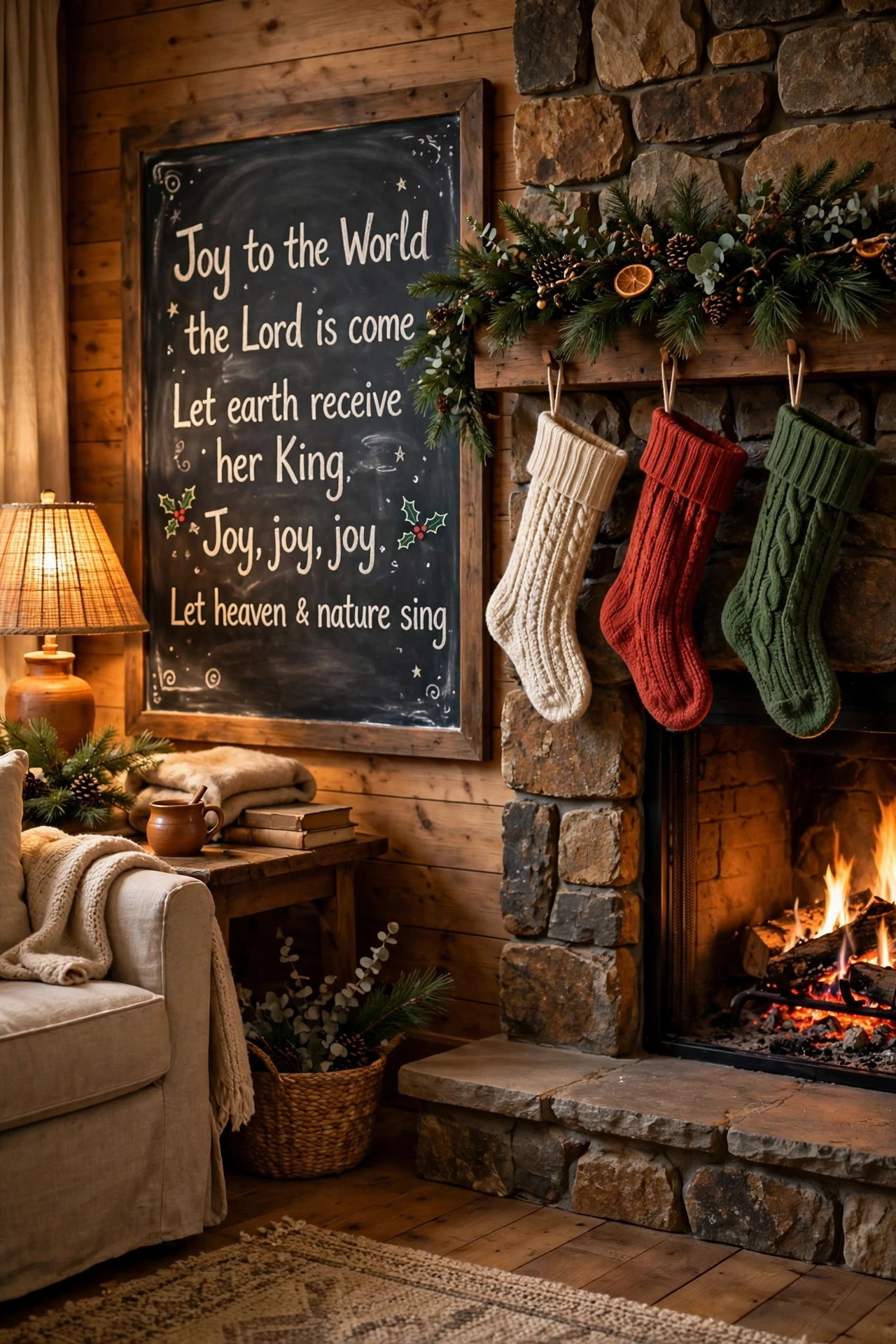
A carol-lyrics board turns a singalong into a shared moment: letter the first verse of a favourite carol — "Silent Night," "Jingle Bells," "Deck the Halls" — in large, clear script on a board near the piano, fireplace, or wherever the family gathers to sing. A 24 x 36 inch board fits one verse comfortably at a size everyone can read from a sofa; choose carols your family actually knows, and letter the chorus in a different colour so singers find their place.
Add simple musical-note doodles in the margins. Change the carol each week of December — a new song keeps the board fresh and gives children something to look forward to. Pair the board with your Christmas garland ideas on the mantel above it for a coordinated fireplace wall.
6. What Makes a Good Kids' Chalkboard Drawing Station?
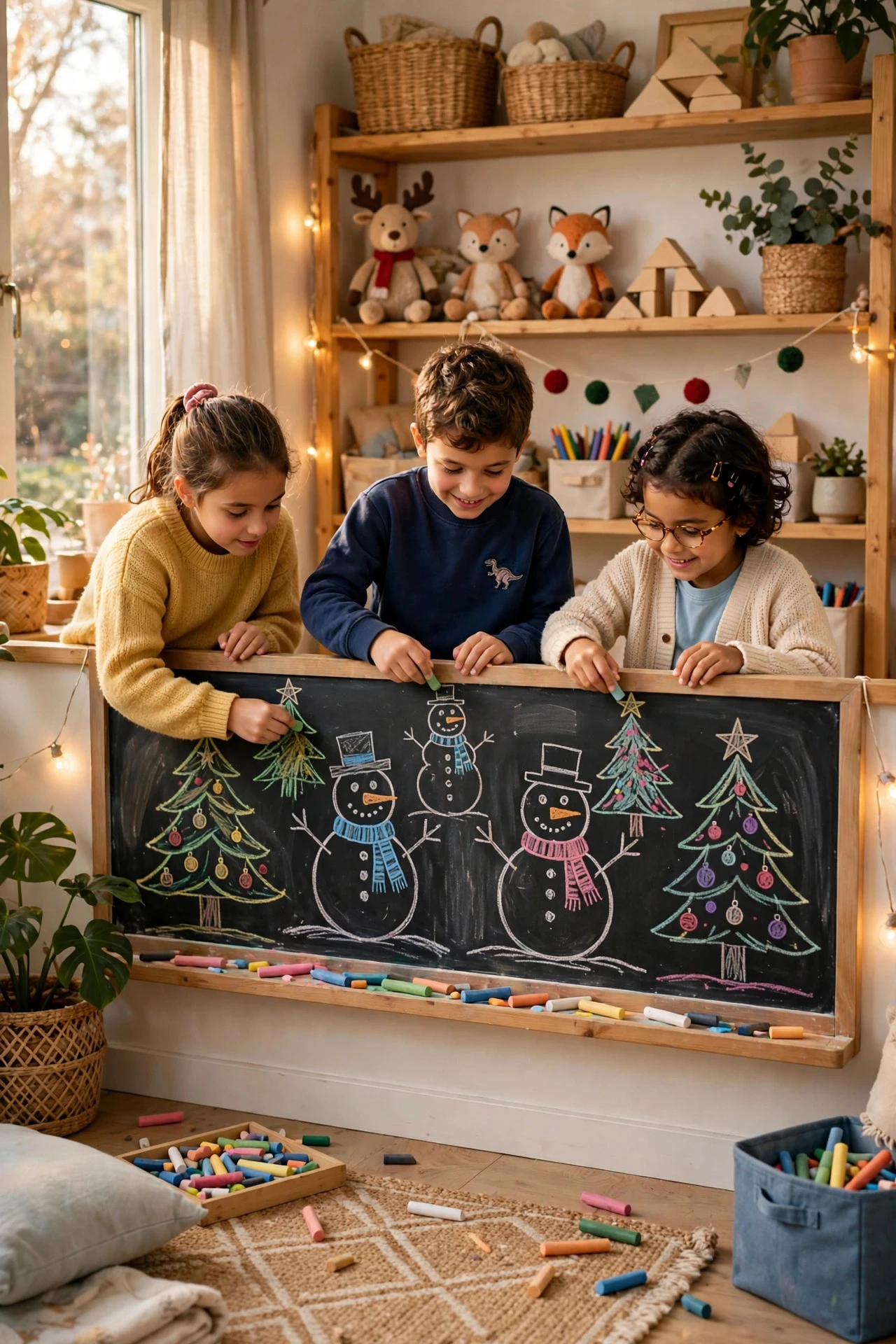
A kids' chalkboard drawing station is a low-mess creative corner: mount a board at child height in the playroom or kitchen, stock it with fat coloured chalk sticks that small hands can grip, and let children draw their own Christmas scenes — snowmen, trees, reindeer — wiping and starting over as often as they like. A 24 x 36 inch board or a chalkboard-painted wall panel gives enough room for two children to draw side by side without elbowing each other.
Keep a damp cloth and a small bucket nearby so clean-up is part of the play, and photograph the best drawings before they are erased — a phone photo preserves the art without keeping a smudged board all month. Avoid chalk markers here; they stain little hands and clothes far more than soft chalk.
7. How Do You Write a Warm Entryway Welcome Board?

An entryway welcome board is the first thing guests read when they step inside, so keep the message short, warm, and large: "Welcome — Come In, It's Christmas" or "Merry & Bright — Shoes Off, Cocoa On" in bold lettering with a holly sprig or snowflake doodle. A 16 x 20 inch framed board on the console table or hung beside the front door is the right scale — big enough to read at a glance, small enough not to dominate the hallway.
Refresh the message for each gathering — a Christmas Eve party deserves its own line. Flank the board with a small pine garland or a lantern so it reads as part of the entryway, not a stray sign. For a fuller hallway scheme, see our Christmas room decor ideas and carry the same colours from the door through the house.
8. Can a Chalkboard Organise Your Christmas Baking Schedule?
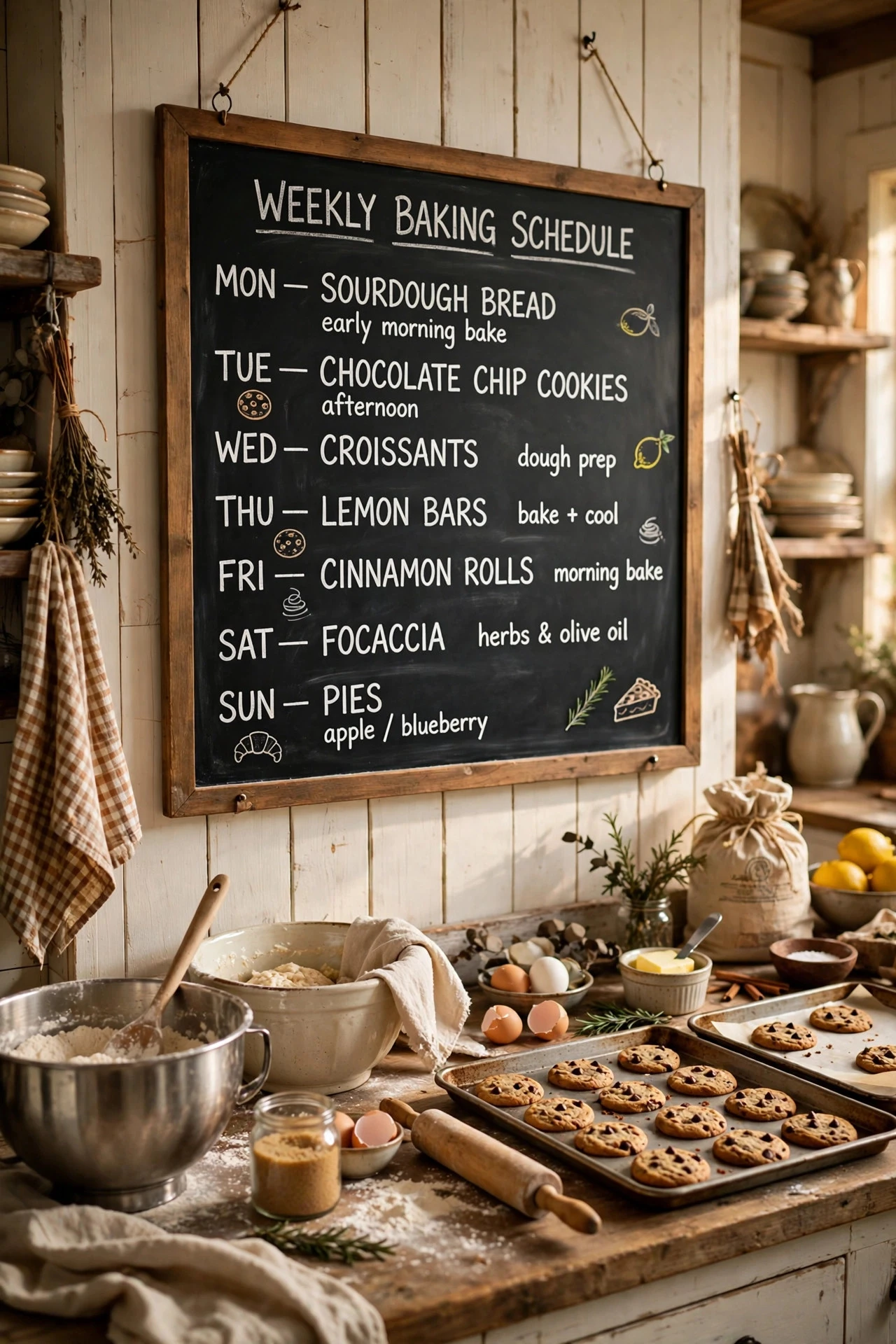
A baking-schedule board keeps December baking on track: list each bake — gingerbread, sugar cookies, mince pies, stollen — with its day, so the kitchen never ends up with three batches competing for one oven. Draw a simple weekly grid on a 24 x 36 inch board in the kitchen, write bakes in soft chalk so the plan flexes when life intervenes, and tick each one off as it comes out of the oven.
The board earns its keep because baking is the one Christmas job where timing matters most — dough needs chilling, icing needs drying, and gifts need posting. Note oven temperatures beside each bake in small print so you are not hunting through recipe cards with floury hands. When baking week ends, erase the grid and reuse the board for the Christmas dinner menu.
9. How Do You Set Up a Christmas Movie Night Board?

A movie-night board makes choosing the film part of the fun: list the week's Christmas films — one per night — with a star rating or a one-word verdict ("classic," "silly," "tearjerker") beside each title. A 16 x 20 inch board in the living room, updated every Sunday, turns "what shall we watch?" from a nightly negotiation into a plan the whole family can see.
Letter the titles in chalk marker and the votes in soft chalk, so the board survives the week but the voting stays changeable. Add the start time and the snack plan underneath — "7pm, popcorn and cocoa" — so nobody asks twice. A small film-reel or popcorn doodle in the corner signals the board's purpose at a glance. Avoid tiny lettering; titles must be readable in lamplight.
10. What Goes on a Holiday Bucket List Board?
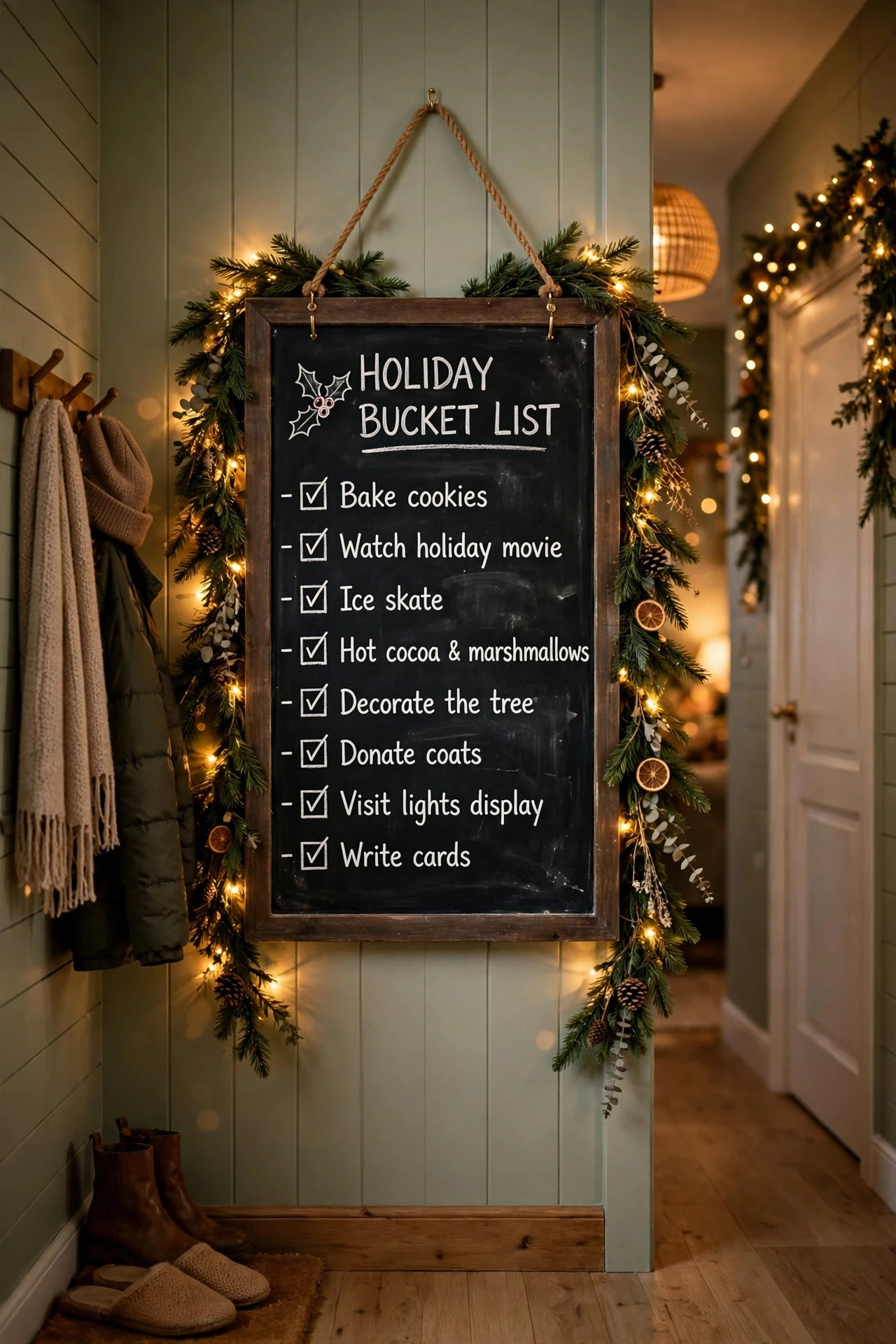
A holiday bucket-list board collects everything the family wants to do before Christmas — see the lights, build a snowman, bake cookies, drive to the tree farm — in one visible, checkable list. Write each wish on its own line on a 24 x 36 inch board in the living room or hallway, leave a square checkbox beside it, and let family members tick items off as they happen. The board works because wishes written down get done; wishes only talked about get forgotten.
Use soft chalk for the items so new ideas can join mid-December, and chalk marker for the header so "Our Christmas Bucket List" stays bold all month. Photograph the finished, fully ticked board on Christmas Eve as a keepsake.
11. How Can a Chalkboard Track Ornaments and Decorations?

An ornament-inventory board is the practical side of Christmas decorating: sketch a simple map of your tree or list each box of decorations with its contents — "Box 1: red baubles, Box 2: lights, Box 3: handmade ornaments" — so January pack-away takes minutes instead of an afternoon. A 16 x 20 inch board kept in the storage area or garage, lettered in chalk marker, survives the dusty off-season and is ready when the boxes come down next year.
Add a small note on the board about how many light strands you own and whether any need replacing — buying lights in November beats discovering a dead strand on decorating day. Update it every year as the collection grows, and erase anything you donated or retired.
12. How Do You Make a Christmas Gratitude Board?

A gratitude board gives the family a quiet daily habit: each evening, everyone writes one thing they are grateful for — a kind word, a warm meal, a finished project — on a shared board in the dining room or living room. A 24 x 36 inch board fills up beautifully over December, and reading it back on Christmas Eve becomes a tradition in itself. Use soft chalk in several colours so each person's entries are recognisable, and leave the board un-erased until New Year.
Start the board on December 1st with one entry of your own, so nobody faces a blank surface. Keep entries short — a phrase, not an essay — and never correct spelling or handwriting; the board belongs to everyone. A small header like "What We're Thankful For" in chalk marker anchors the design, and a border of hand-drawn stars or holly keeps it festive.
13. How Do You Run a Santa's Nice List Tracker?
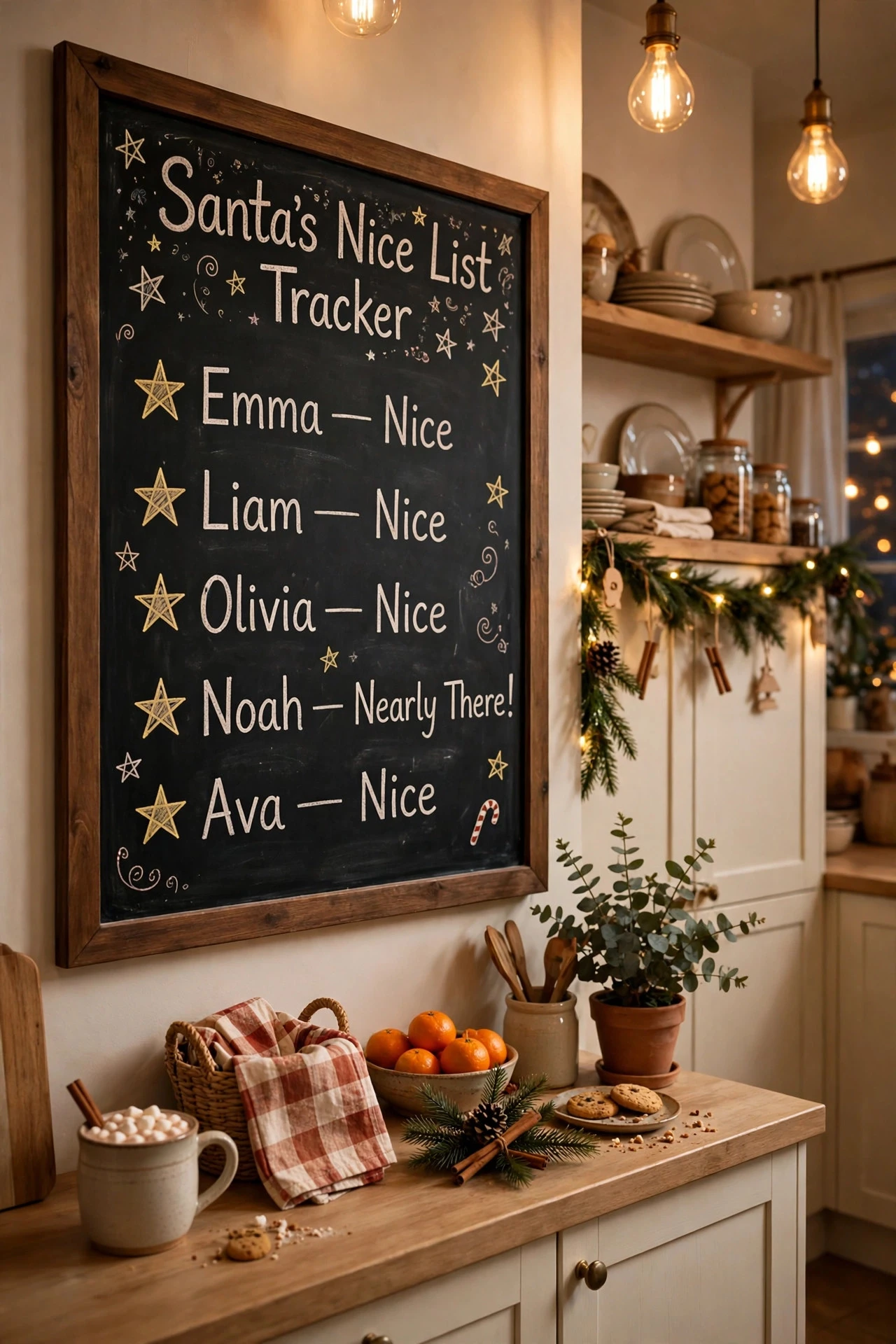
A Santa's nice-list tracker is a playful behaviour board with a clear purpose: a simple chart with each child's name and a row of stars earned for kind acts — helping with dishes, sharing toys, writing a thank-you note — leading up to Christmas. Draw the chart on a 16 x 20 inch board in the kitchen or family room, letter names in chalk marker, and add stars in coloured chalk as they are earned. The board works because progress is visible; a star chart hidden in a drawer motivates nobody.
Cap the chart at ten stars per child so the goal stays reachable, and agree the reward in advance: it might be choosing the Christmas Eve film or opening one small gift early. Keep the tone light and the lettering cheerful, with a Santa hat doodle over the header.
14. Can a Chalkboard Hold a Cookie Recipe?
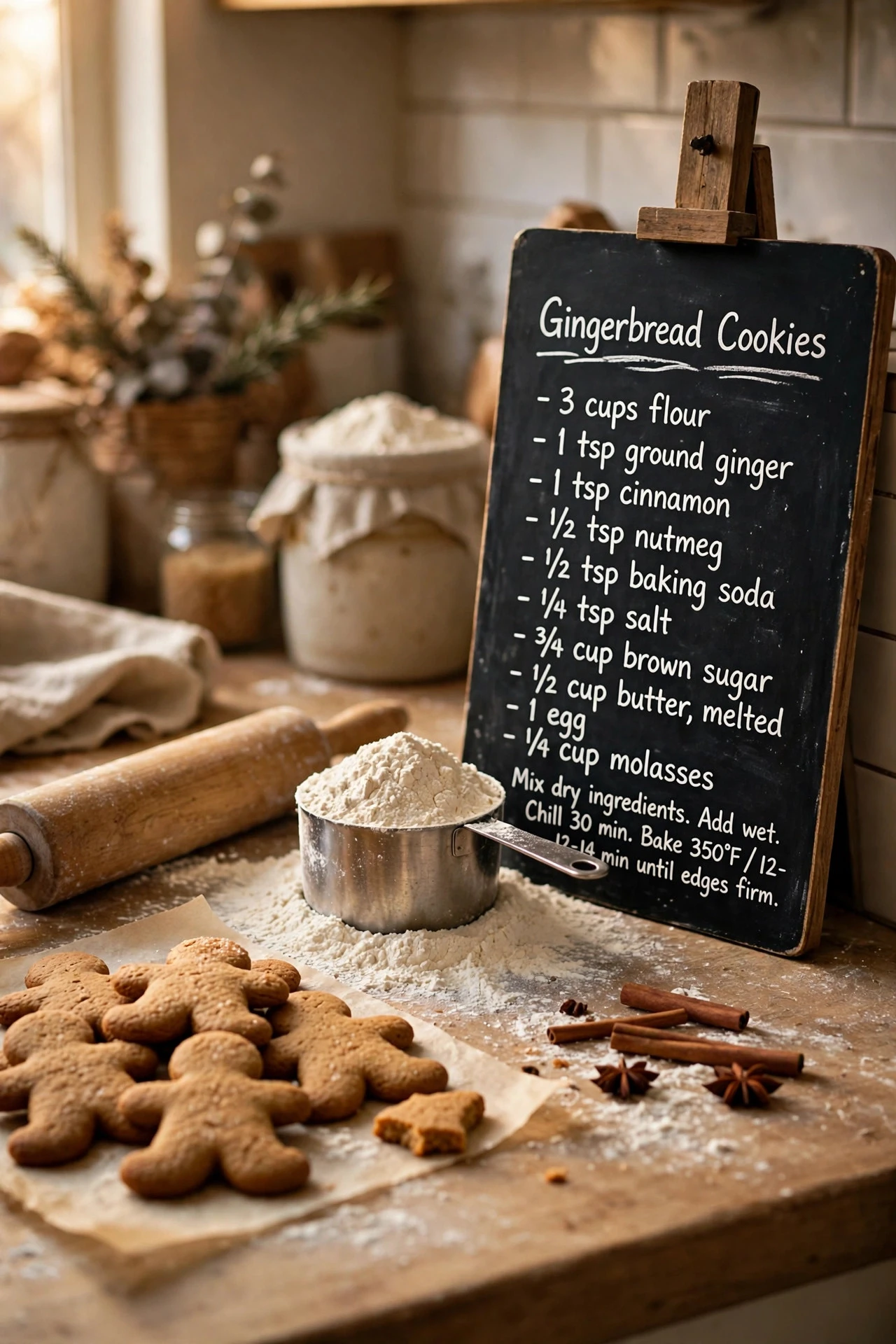
A cookie-recipe board puts the recipe where the baking happens: letter the ingredients and the three or four key steps of your best Christmas cookie recipe in large, clear print on a 16 x 20 inch board propped on the kitchen counter. It keeps floury hands off recipe books and phones, and it turns a family recipe into a piece of kitchen decor for the month. Letter ingredients in chalk marker so they survive splashes, and steps in soft chalk in case you tweak the method mid-batch.
Keep the recipe short — a gingerbread or sugar-cookie recipe fits; a six-page stollen does not. Write oven temperature and bake time in the largest script on the board, because that is the line you will check most. When the baking is done, wipe the board and write the next recipe.
15. How Do You Letter a Holiday Party Drink Menu?

A holiday party drink menu board gives guests the evening's choices at a glance: list two or three cocktails or mocktails, the wine, and the non-alcoholic options, each with a one-line description — "Mulled Wine — red wine, orange, cinnamon, cloves" — on a 24 x 36 inch board on an easel by the drinks table. Letter it in chalk marker so it stays crisp through the party, and add the host's name and the date at the top for a personal touch.
Include one signature drink in larger lettering — the mulled wine or the cranberry spritz — and mark the alcohol-free option clearly so non-drinkers feel included without asking. A small holly or cocktail-glass doodle beside each drink adds charm without cluttering the layout. Erase and rewrite it for New Year's Eve with a fresh list.
16. What Should a Christmas Travel Countdown Board Say?
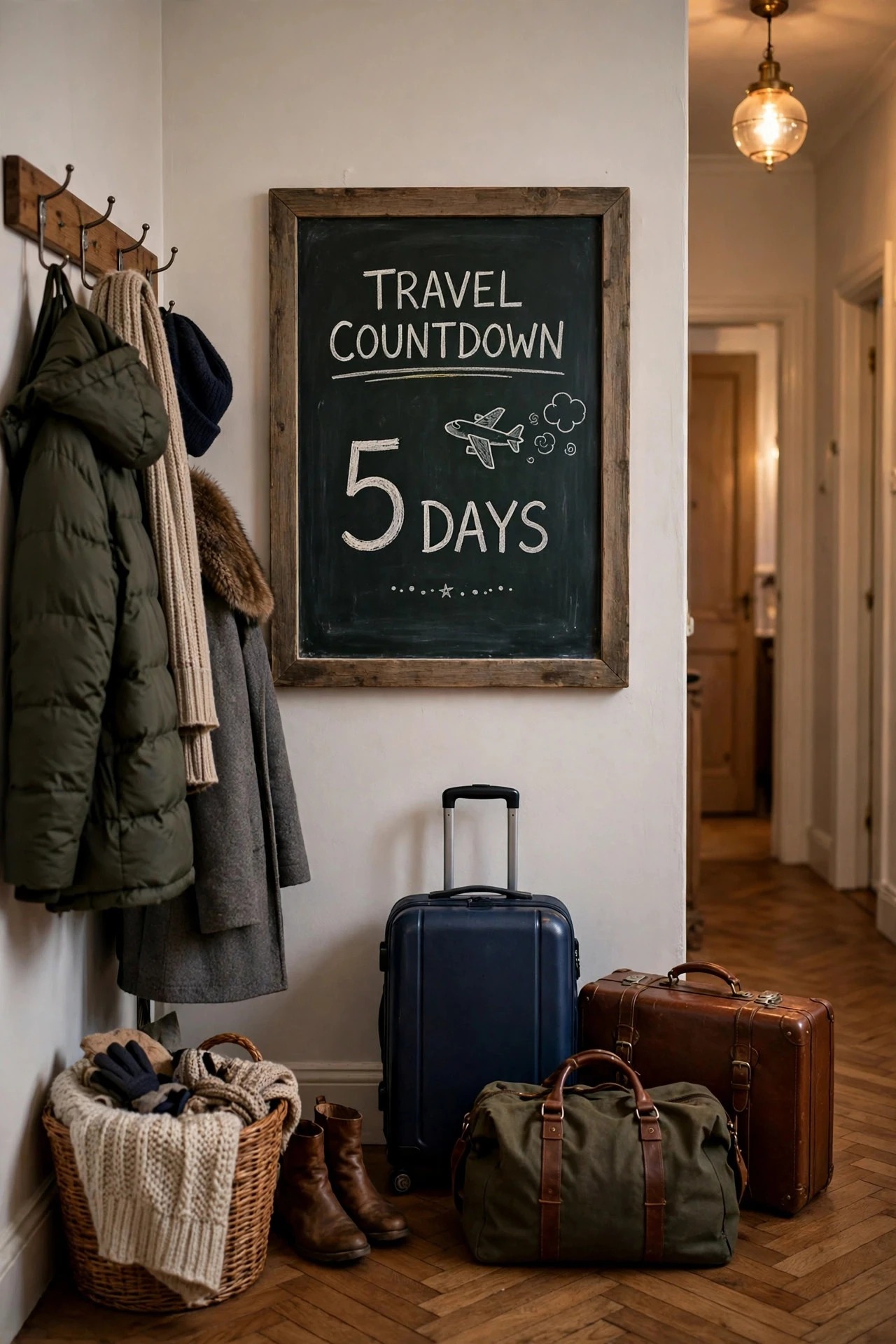
A travel-countdown board counts down to the journey, not just the day: "4 Days Until We Fly to Grandma's" with a small plane, car, or train doodle, updated each morning so the count is always right. A 16 x 20 inch board in the hallway or kids' bedroom keeps the excitement focused and answers the daily "how many more sleeps?" question before it is asked. Use chalk marker for the destination line and soft chalk for the number, so only one digit changes each day.
The board earns its place because travel days are the most stressful part of Christmas; a visible plan calms everyone, children included. Keep the lettering large and the message to two lines so it reads from across the room.
17. How Do You Organise a Gift-Wrapping Station Board?
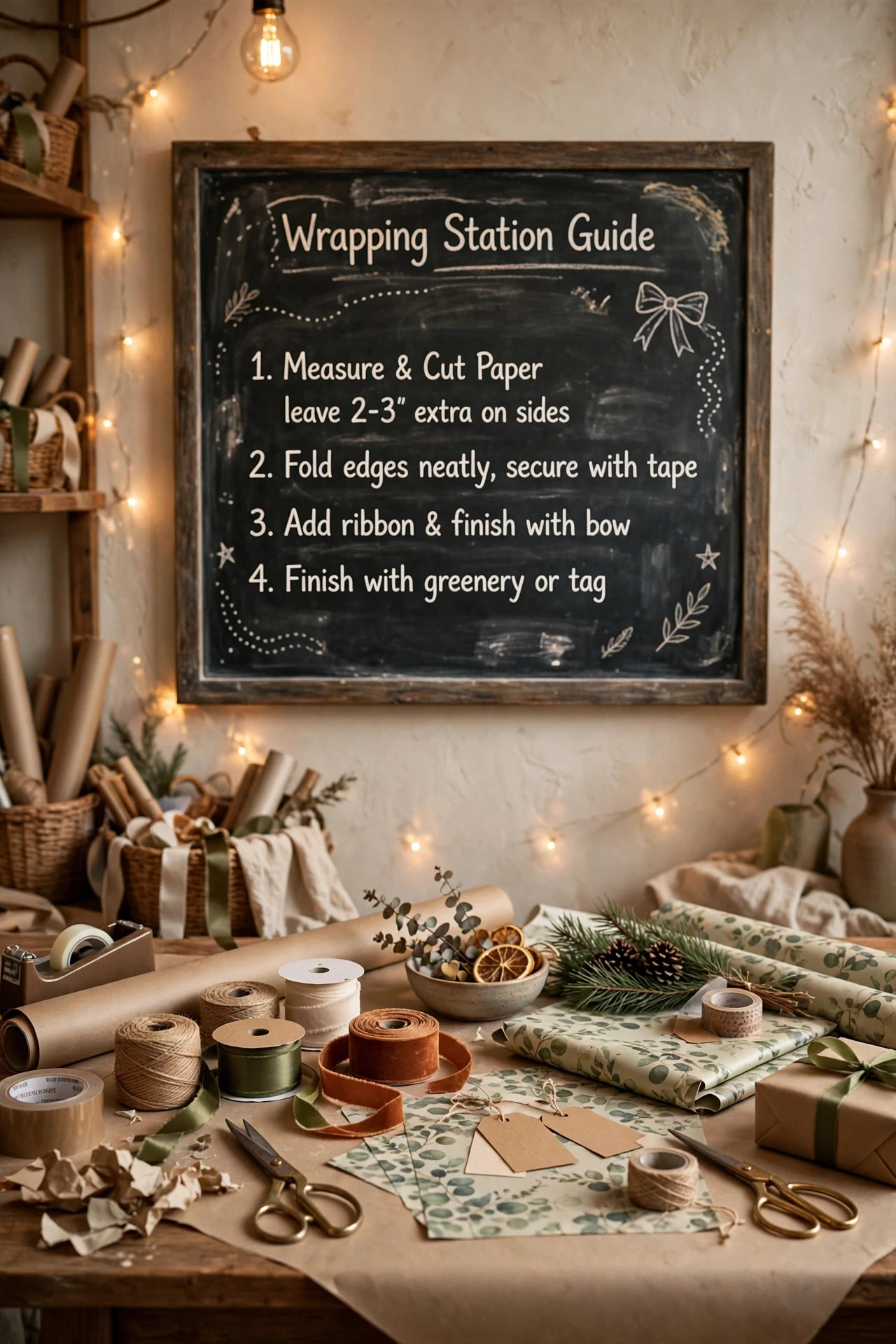
A gift-wrapping station board is the instruction sheet for the wrapping table: list where everything lives — paper here, ribbon there, tape and tags in the tray — plus a reminder of the wrapping rules, like "double-sided tape for the good paper" or "gift tags face up." A 16 x 20 inch board hung above the wrapping table or propped on a shelf turns a chaotic corner into a system, and it stops the annual hunt for the scissors. Letter the labels in chalk marker and the reminders in soft chalk.
Keep the board at eye level above the work surface, not flat on the table where paper covers it. Stock the station with three paper designs at most; more choice slows wrapping down. When wrapping is finished, erase the board and use it for thank-you notes.
18. How Do You Tell the Nativity Story on a Chalkboard?
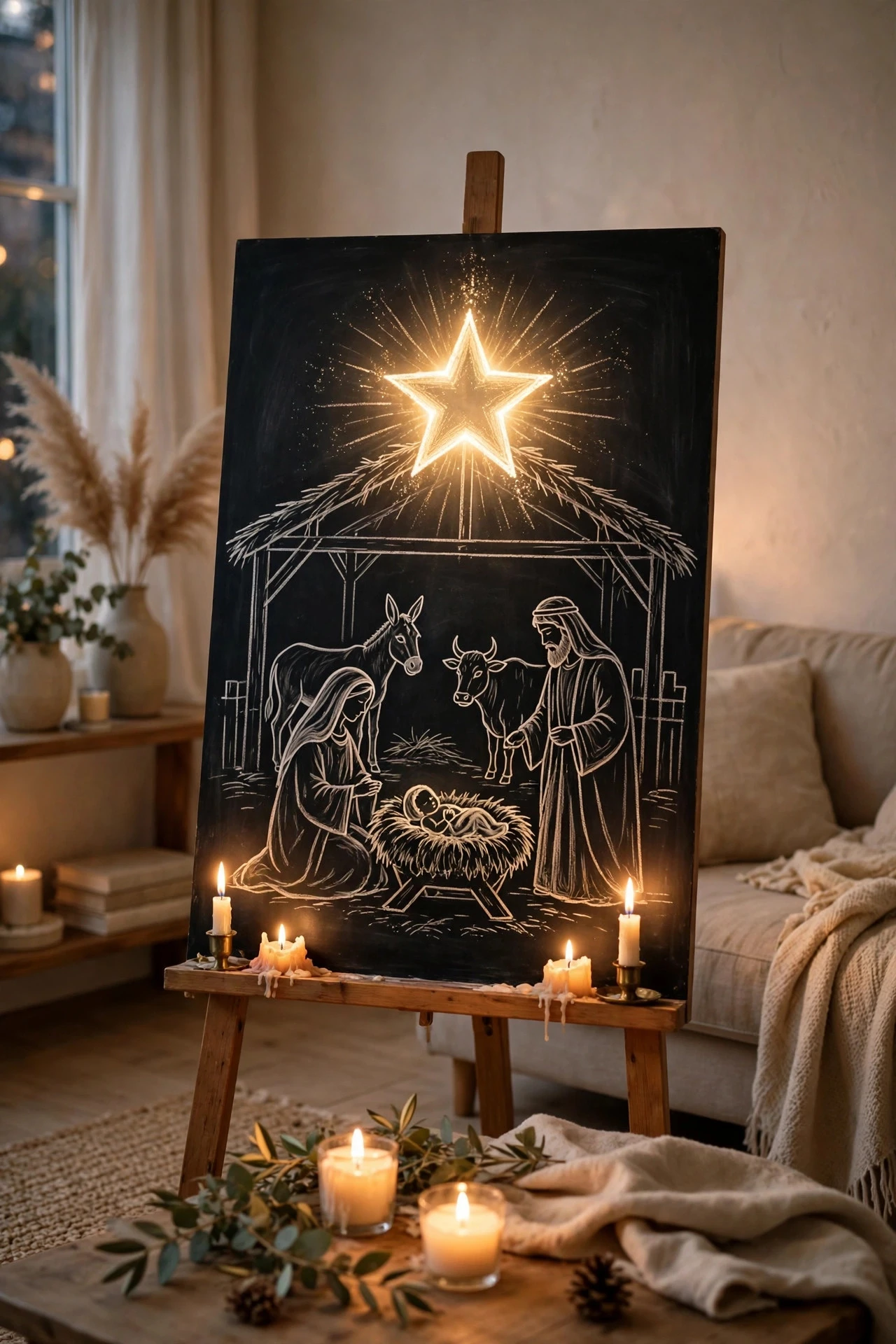
A nativity-story board turns the Christmas story into a visual retelling: draw a simple stable scene — star, manger, figures — in chalk across a 24 x 36 inch board, and add one short line of the story beneath it each week of Advent, building the scene as December progresses. The board works as a gentle teaching tool for children and a calm, meaningful focal point for adults, especially in a living room where the tree and the television compete for attention.
Keep the drawing simple and bold — a large star, a few figures, a stable roofline — rather than attempting fine detail in chalk, which smudges easily. Letter the story lines in clear print, one per week, so the board grows rather than needing a full rewrite. Use white chalk for the star and gold or yellow chalk for its glow, and keep the rest of the scene in soft white so the star stands out.
19. How Do You Make a New Year's Wishes Board?
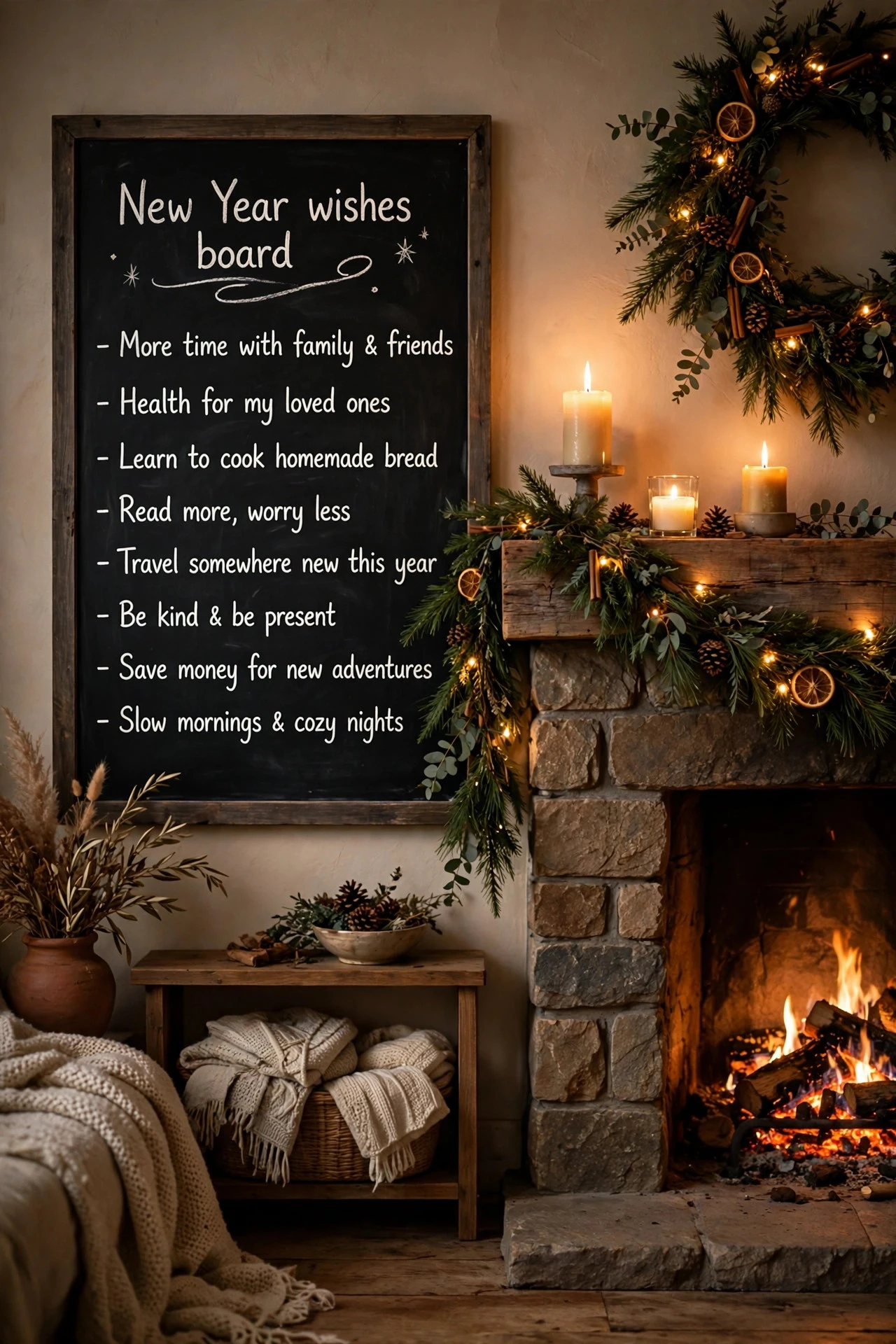
A New Year's wishes board bridges Christmas and January: on a 24 x 36 inch board near the fireplace or in the living room, invite each family member to write one hope for the new year — "learn to ski," "read twelve books," "visit the sea" — in their own handwriting, in coloured chalk. The board works because wishes written by hand, in public, feel like promises; wishes kept in a phone note rarely do. Letter the header "Our Wishes for the New Year" in chalk marker so it holds all month, and leave the wishes themselves in soft chalk so late additions fit.
Start the board on Christmas Day, when the family is together, and read the wishes aloud on New Year's Eve before wiping the board clean for January. A small clock doodle showing midnight adds a festive touch. Hang the board where the mantel display frames it; our Christmas mantel ideas show how to style that wall so the board and the mantel work together.
20. What Is a Daily Kindness Advent Board?
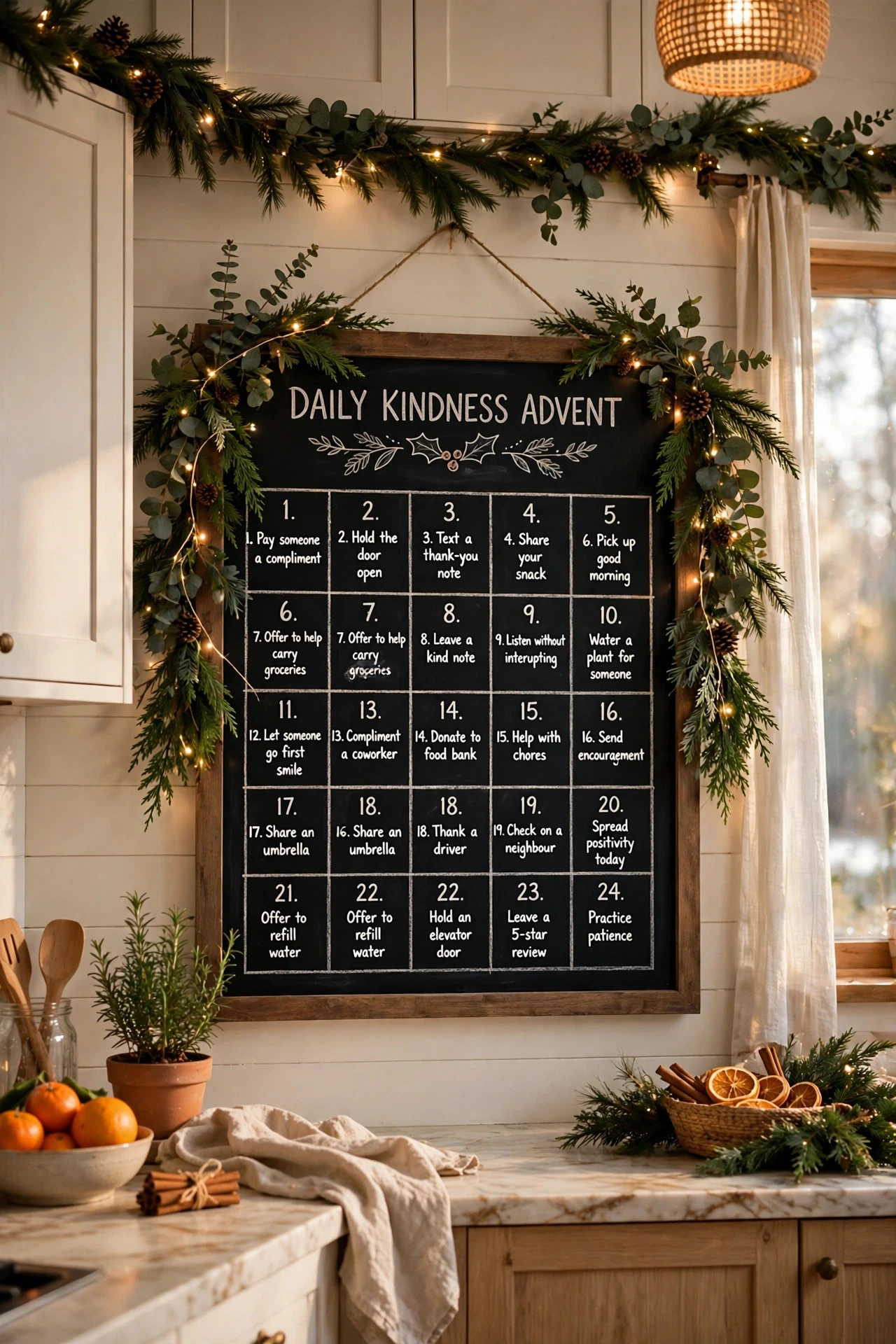
A daily kindness advent board pairs the countdown with a good deed: each numbered day on the board carries a small act — "help a neighbour," "donate a toy," "call Grandma," "leave a note for the postman" — and the family completes one each day until Christmas. Draw the 25-day grid on a 24 x 36 inch board in the hallway or kitchen, letter the acts in soft chalk so they can be swapped for better ideas, and tick each one off as it is done. The board turns a passive countdown into something the family does together.
Let children suggest acts and write them in their own handwriting, which builds ownership of the board. The chalkboard itself has a long history as a teaching and household tool — the chalkboard on Wikipedia traces its journey from classroom to home — and the kindness board is a modern, warm-hearted use of it.
21. How Do You Letter a Table Place-Setting Board?
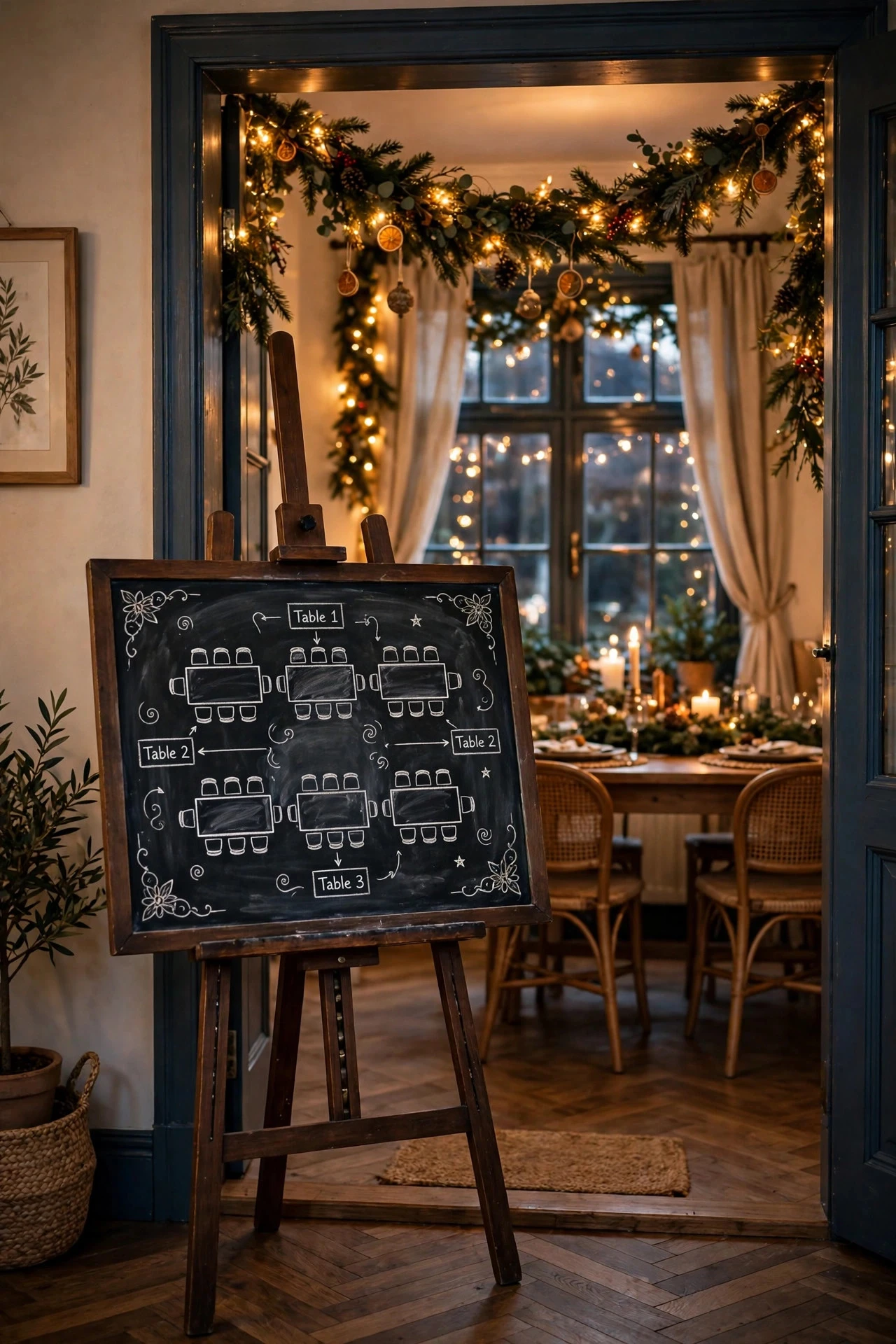
A place-setting board is the seating plan, written large: list each guest's name beside their seat — "Mum — by the window, Dad — head of table" — or simply letter the table plan as a diagram on a 16 x 20 inch board on an easel at the dining room door. Guests find their seats without the awkward hover, and the host avoids the last-minute shuffle. Letter names in chalk marker so they survive the evening, and add a small place-card doodle beside each name for charm.
For a small gathering, a simple two-column list works; for a larger party, sketch the table shape and place names around it. The board pairs naturally with a window-side table, so consider our Christmas window decorations for the glass behind the table — the board and the window dress the same corner.
22. How Do You Build a December Chalkboard Calendar?
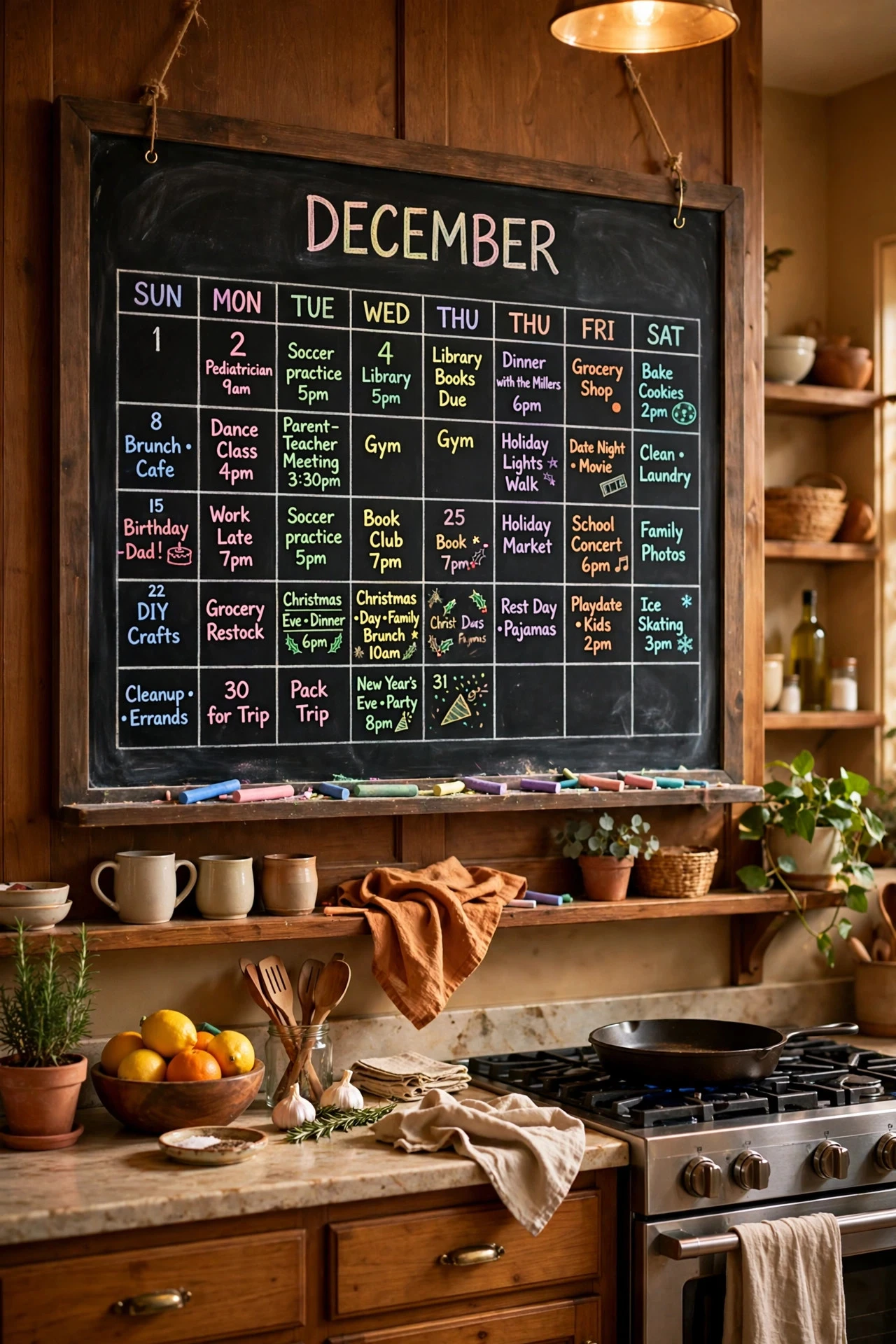
A December chalkboard calendar is the month at a glance: draw a full monthly grid on a 24 x 36 inch board — or paint a whole wall section with chalkboard paint — and fill in every event: parties, school concerts, baking days, travel, and Christmas itself in a star. The grid is the permanent structure, lettered in chalk marker, while events go in soft chalk so plans can move. Hang it in the kitchen, where the whole household passes daily, and make it the single source of truth for December.
Leave the last row for a "don't forget" strip: stamps, batteries, wrapping paper. If you are painting a wall panel rather than buying a board, The Spruce's guide to chalkboard paint covers surface preparation and finishes that survive daily erasing. When January arrives, wipe the grid and start the new year clean.
Practical Tips
Choose the board before the lettering. A 16 x 20 inch board suits a single message — a welcome sign, a cocoa menu, a recipe — while a 24 x 36 inch board handles grids, calendars, and lists. A chalkboard-painted wall panel is best for a permanent family hub, but it needs two coats of paint and a full 24-hour cure before first use.
Chalk versus chalk markers, decided once. Soft chalk is for anything rewritten often — countdowns, lists, kids' boards — because it erases cleanly with a damp cloth. Chalk markers are for anything that must stay perfect — menus, welcome signs, place plans — because they resist smudging but need a wet cloth and some elbow grease to remove.
Lettering that looks hand-done, not messy. Sketch your layout in thin chalk first, use a ruler for baselines, and letter the most important line largest. Mix one script style with one print style at most — two scripts compete and the board looks cluttered.
Care, storage, and timing. Season a new board by rubbing chalk over the whole surface and wiping it off before first use; this prevents ghosting. Erase with a slightly damp cloth, then dry it — a wet board left damp grows a chalky film. For more seasonal styling ideas, Better Homes & Gardens' Christmas decorating guides offer fresh inspiration each year.
Final Thoughts
A Christmas chalkboard earns its place because it works as hard as it decorates — counting days, announcing menus, tracking gifts, and collecting the family's wishes in one erasable surface. Start with one board in the room where your family gathers most, learn which side of the chalk-versus-marker choice suits you, and let the board grow into a December habit. The best chalkboard in the house is never the fanciest one; it is the one that gets rewritten, read, and loved all month long.
Frequently Asked Questions
What size chalkboard is best for Christmas decorating?
A 24 x 36 inch board is the best all-round choice for Christmas: it fits a menu, a countdown grid, or a December calendar at a size readable across a room. Smaller 16 x 20 inch boards suit single messages like a cocoa-bar sign or a welcome greeting.
Should I use chalk or chalk markers on a Christmas chalkboard?
Use soft chalk for boards you rewrite often, such as countdowns, gift lists, and kids' drawing boards, because it erases cleanly with a damp cloth. Use chalk markers for boards that must stay perfect all month, such as dinner menus and welcome signs, because they resist smudging and steam.
How do I stop chalk lettering from smudging?
Letter important boards with chalk markers, which dry smudge-resistant and survive handling, steam, and door drafts. For soft chalk, keep the board away from high-traffic touch points and avoid leaning anything against it. Always let marker lettering dry fully — at least a few minutes — before moving or hanging the board.
Can I make my own chalkboard instead of buying one?
Yes — paint any smooth board, wall panel, or old framed picture with two coats of chalkboard paint, letting each coat cure fully before use. Season the new surface by rubbing chalk across it and wiping it off before first lettering, which prevents ghosting.
How do I clean a chalkboard without leaving ghost marks?
Erase with a slightly damp cloth, working in straight lines rather than circles, then dry the surface immediately with a clean towel. For stubborn chalk-marker residue, use a dedicated chalkboard cleaner or a paste of baking soda and water, rubbed gently.
Where should I hang a Christmas chalkboard?
Hang working boards where the family passes daily — the kitchen for menus and baking schedules, the hallway for countdowns and welcome messages, and the dining room for place plans and dinner menus. Keep kids' boards at child height in the playroom or kitchen so little hands can reach them.